Customer Story Hub
How Shreveport Police Department Scaled Real-Time Operations with Fusus
:format(webp))
At a glance
Agency: Shreveport Police Department (SPD), Louisiana
RTCC launched: 2021
Population served: 187,000
Officers: ~450 sworn officers
Primary goals: Improve community safety while reducing officer and detective workload
Key solutions: Axon Fusus, Axon Air
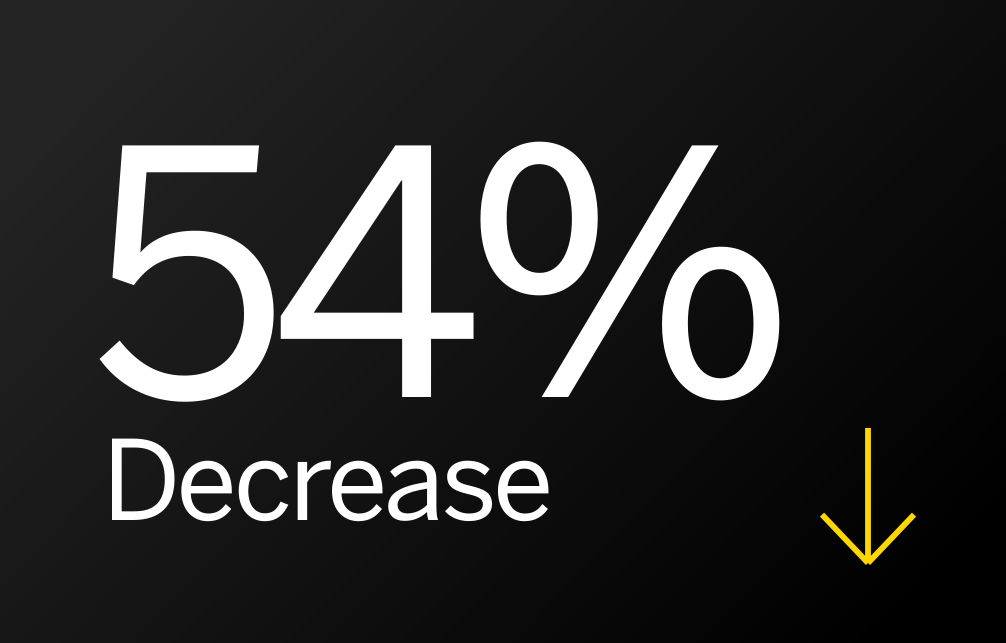
Decrease in homicides from 2021 to 2025

Investigation timelines reduced by 25–50%

Investigative hours saved by eliminating manual video retrieval
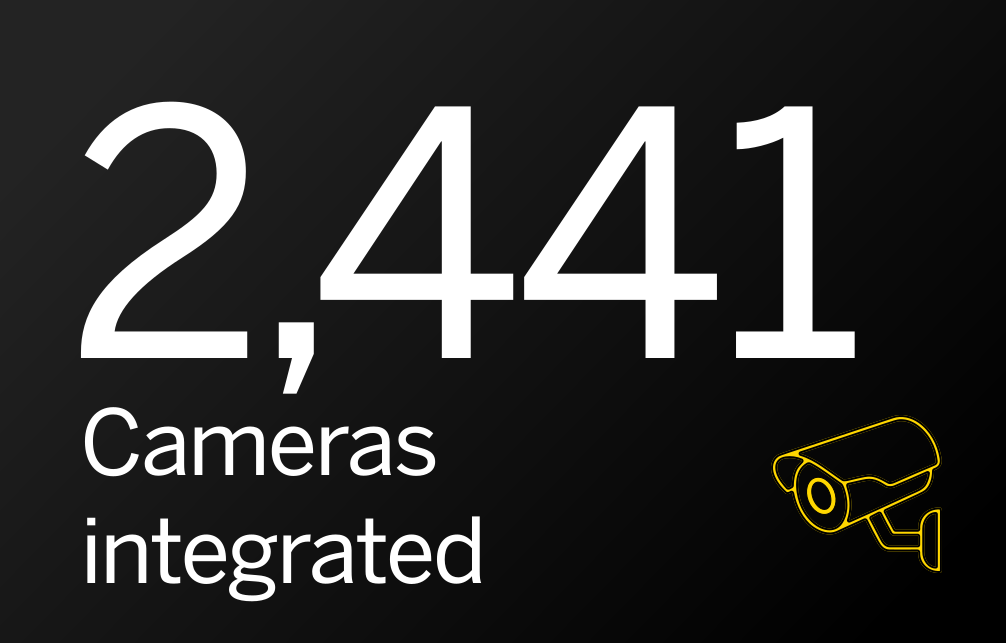
Cameras integrated across city and community partners
Standing up a real-time crime center from scratch
When Kevin Thomas walked into Shreveport’s future Real-Time Crime Center in August 2021, it wasn’t operational yet.
It was an empty room.
“There were desks, computer monitors, wires running everywhere,” Thomas recalled. “But there was no real-time crime center.” Thomas, a 20-year law enforcement veteran, had just been hired to stand up the city’s RTCC from the ground up.
“It was part of the mayor’s campaign to make Shreveport a smarter, safer city,” Thomas said. “They wanted it… but they really didn’t have any budget for it, and didn’t have a lot of support behind it.”
“Technology was not my background,” Thomas said. “That is a strong testament to how simple the platform was when it rolled out.” Building for non-technical users became one of the defining characteristics of Shreveport’s approach.
With limited funding, limited planning, and a community that had never heard of a real-time crime center, Shreveport needed a solution that could deliver value quickly and scale organically. 
Building a citywide camera network through community partnerships
Rather than waiting years to build a municipal camera network, Shreveport focused on connecting existing cameras already installed across the community.
Through the Fusus platform and the Connect Shreveport program, the RTCC began integrating cameras from businesses, apartment complexes, and public spaces across the city. The approach allowed the department to expand visibility quickly without requiring partners to replace their existing systems.
Early on, those conversations weren’t always easy.
“They’re like, ‘Who are you? What is a real-time crime center? And you want to do what to my NVR (Network Video Recorder)?’”
To build the network, Thomas took a hands-on approach. He walked through downtown Shreveport knocking on doors and introducing the concept to local business owners. He then expanded to apartment complexes experiencing high levels of violent crime and drug activity. “If we could show results there, the rest would follow,” he said.
And they did.
In several early locations, the new visibility helped investigators identify suspects and support targeted enforcement efforts. As arrests increased and crime declined, word began to spread among property managers and business owners.
“This apartment complex would tell another one, ‘You need to call Kevin,’” Thomas said. “They’d say we hooked up this little black box [the Fusus core] and the criminals disappeared.”
Today the network includes more than 2,400 integrated cameras across apartments, retail stores, hotels, HOAs, and other private partners.
Technology that works for operators and officers
As the RTCC grew, Thomas became both its operational leader and its technical administrator. “That’s not because I have any vast technological experience,” he said. Instead, he credits the simplicity of the platform and the hands-on support from the Fusus team. During the early rollout, engineers often walked him through integrations live from the field.
“One of them told me, ‘FaceTime me—show me the room, show me the network,’” Thomas said. Those real-time troubleshooting sessions helped accelerate deployments and kept the program moving forward.
The system’s usability also helped drive adoption inside the department. Thomas now trains detectives to use the platform in about an hour. “I can give them a one-hour crash course,” he said. “And they’re effective right away.” Because the system is cloud-based, investigators can access the platform from standard computers without specialized equipment.

Today, the Shreveport RTCC uses Fusus as a centralized operational layer—bringing together cameras, calls for service, and other technologies into a single interface. “Fusus is that one pane of glass everybody wants,” Thomas said.
The platform integrates:
Community and business cameras
City-deployed pole cameras
License plate readers
Drone operations via DroneSense
CAD call-for-service data
Axon in-car and body camera systems
When calls for service come in, RTCC analysts can quickly locate nearby cameras and provide officers with situational awareness before they arrive.
The officers love it, they have all this information at their disposal before they even get to the call.
Results: Saving thousands of investigative hours
One of the RTCC’s core goals was reducing the investigative workload on officers and detectives. That goal became even more important as staffing shortages continued to affect the department. Today, the Shreveport Police Department operates with approximately 450 sworn officers, about 25% below its authorized staffing level.
Technology has helped bridge that gap.

Before the RTCC existed, detectives often spent hours traveling to businesses to retrieve video footage. They would have to track down managers, navigate unfamiliar recording systems, and manually download files.
Now investigators can access video instantly through Fusus. “They don’t have to knock on doors anymore,” Thomas said. “They don’t have to fight with someone’s NVR.”
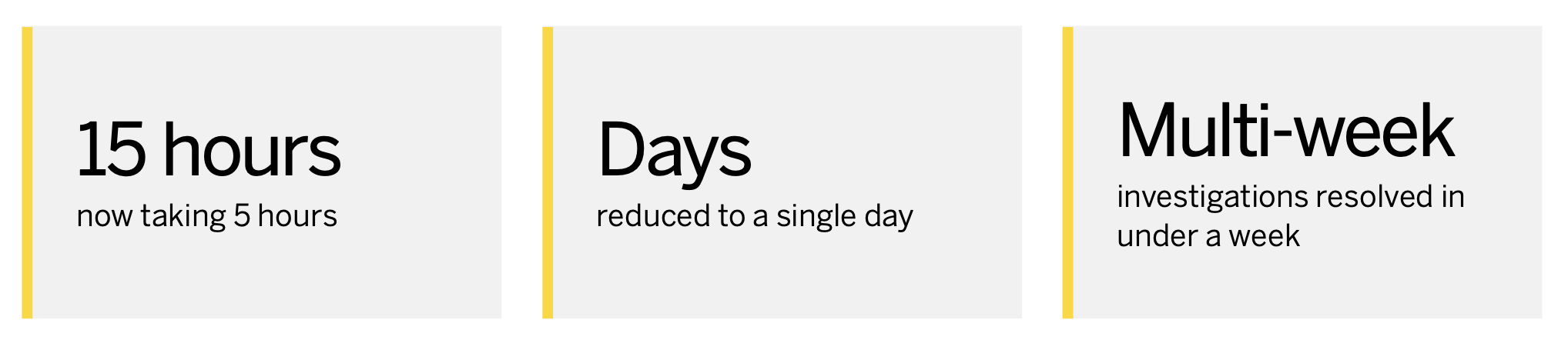
The result has been significant time savings. Thomas estimates the platform has saved thousands of investigative hours across the department. Detectives regularly report cases that once required:
15 hours now taking 5 hours
Days reduced to a single day
Multi-week investigations resolved in under a week
 Video evidence from Fusus has also changed how investigators obtain warrants. “They say a picture’s worth about a thousand words,” Thomas said. “But video’s worth about a million.”
Instead of relying solely on written reports, detectives can now present judges with direct visual evidence of criminal activity. This often accelerates the warrant approval process, enabling officers to take action quickly.
The platform has even been demonstrated in court. During a recent homicide trial, Thomas showed investigators and jurors how footage from the system helped identify suspects fleeing the scene. Using built-in tools, he was able to zoom, slow, and highlight key moments in the video. “That footage was from 2023,” he said. “And we could still pull it right out of the system.”
Results: Supporting investigations and reducing crime
Since its launch, the RTCC has supported investigations across a wide range of cases, including:
Auto theft rings such as the widely reported “Kia Boys” incidents
Catalytic converter theft operations
Federal parole violations involving weapons and narcotics
Major traffic crash investigations
Missing juvenile recovery cases
As the RTCC matured, its role within the department and the city grew dramatically. What began as a little-known initiative has become a core component of the department’s public safety strategy. As results have driven more participation, they’ve seen improvements in several major crime indicators since the RTCC launched in 2021. For instance,
Shots-fired calls decreased 54.5%, from 4,649 (2021) → 2,114 (2025)
Reported shootings decreased 49.1%, from 458 (2021) → 233 (2025)
Homicides decreased 53.8%, from 91 (2021) → 42 (2025)
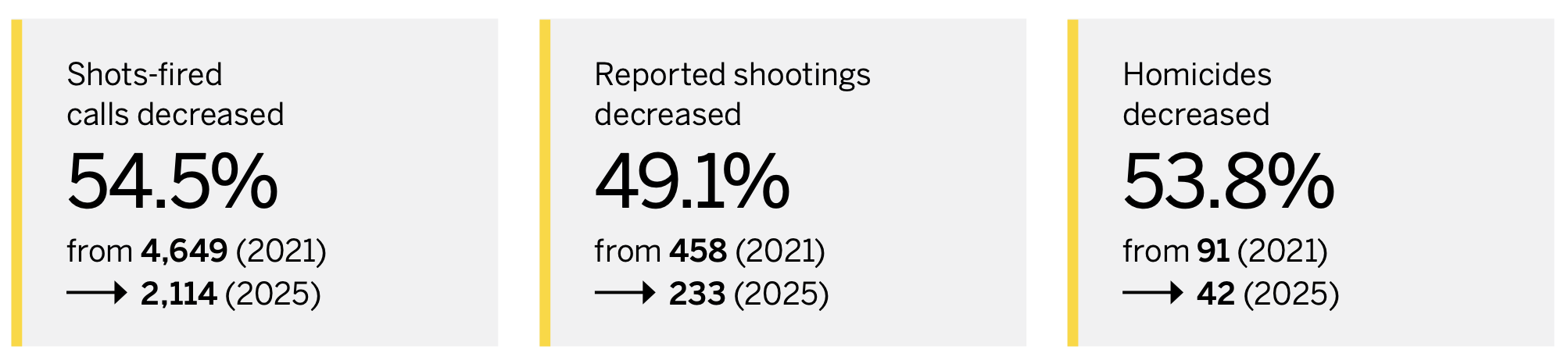 While these outcomes reflect many factors across the department, leadership has cited technology and the RTCC as important contributors to those improvements. “We were definitely tucked off in the shadows when we started,” Thomas said. “Now we get a lot of support.”
Conclusion: Expanding technology and advice for others
Although the Shreveport RTCC started small, today agencies from across the country regularly reach out to Thomas for advice on building real-time crime centers.
His first recommendation is simple: “Plan first.” Specifically, he encourages agencies to secure both law enforcement and community buy-in before launching a program. “Get the police department on board and get the community on board,” he said. “That’s critical.”
For Shreveport, the combination of community partnerships, adaptable technology, and strong operational support helped turn an empty room into a powerful public safety resource.
But the work is not done.
Shreveport continues to expand the capabilities of its RTCC. Future priorities include:
Expanding the license plate reader network
Increasing camera coverage across the city
Introducing more AI-driven features
Growing the department’s drone program
Ultimately, Thomas hopes the center will shift from primarily reactive investigations to proactive crime prevention.
“Yes, it’s great to catch the shooter,” he said. “But the real goal is stopping the shooting before it happens.”