Resource Center
How South Africa's Border Management Authority modernised border security with the Axon ecosystem
:format(webp))
At a glance
Agency: South Africa Border Management Authority (BMA)
Coverage Area: South Africa's air, land and sea ports of entry
Key Solutions: Axon Body-Worn Cameras, Axon Fusus, Axon Evidence, Auto-Transcribe, Integrated drone operations
:format(webp))
About the Border Management Authority
The Border Management Authority is responsible for protecting South Africa's borders while enabling legitimate movement of people and goods. Its mission is to provide a highly effective integrated border management service that contributes to national development and security by ensuring the effective, timely movement of authorised people and goods in compliance with international obligations.
To support that mission, the agency invests in technologies that improve operational awareness, increase accountability and enable intelligence-led decision-making.
The challenge

Border environments present complex operational demands. Officers routinely work in remote and high-risk locations while managing large volumes of travellers and responding to evolving criminal activity.
Prior to deployment, the BMA identified several priorities for modernisation:
Capturing objective evidence during public interactions
Improving officer safety in hostile environments
Protecting officers against false allegations
Preventing bribery and corruption
Maintaining secure, court-admissible digital evidence
Strengthening investigations and prosecutions through trusted evidence management
The agency also recognised that standalone technologies would not deliver the operational visibility required for modern border security. Instead, it sought an integrated platform capable of connecting evidence, surveillance and operational intelligence.
The solution
The initial rollout equipped 40 frontline officers across five strategic ports of entry, including two international airports and three of South Africa's busiest land border crossings. The deployment was intentionally designed to validate operational workflows and technology adoption before expanding to all frontline officers.
The phased deployment was completed in less than two months and included:
The configuration of Axon Evidence
Policies and operating procedures developed
Training completed for first cohort of frontline officers
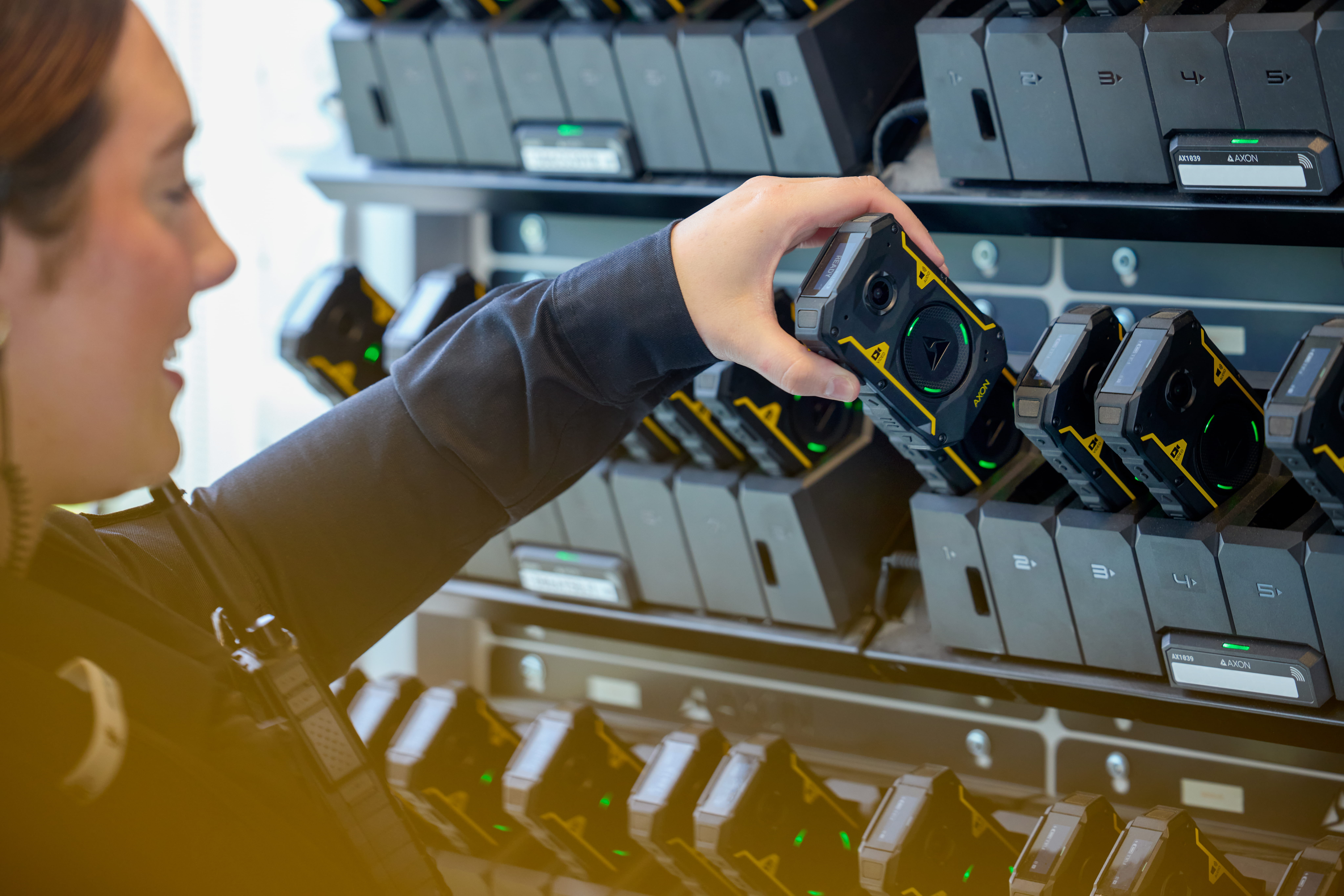
Axon Body-Worn Cameras deployed with live streaming and two-way communications
Axon Fusus enabled
AI-powered Autel EVO Max drones
Several guiding principles shaped the deployment.
Intelligence-led operations: Technology was introduced to strengthen operational decision-making and provide commanders with greater situational awareness across border environments.
Build officer confidence: The BMA paired implementation with comprehensive training and change management, helping officers understand that body-worn cameras were designed to improve officer safety, transparency and protection—not to presume misconduct. As a result, the agency reported strong operational acceptance and positive feedback from frontline personnel.
Centralised digital evidence: With the dramatic growth in digital evidence, BMA needed a solution that featured secure storage, streamlined evidence sharing, and maintained chain-of-custody requirements for court-admissible material.
Unified operations: Through Axon Fusus, multiple technologies, including body-worn cameras, drones and surveillance assets, can operate as part of a connected platform rather than isolated systems.
Practical modernisation: The BMA emphasised operational simplicity throughout deployment. As agency leadership explains, "Innovation must always support operational outcomes rather than add complexity."
Results
According to Dr Mike Masiapato, National Commissioner and CEO of the Border Management Authority (BMA), "Solutions such as Axon Body-Worn Cameras, Axon Evidence, and the broader Axon ecosystem have enabled us to strengthen officer safety, improve transparency, and enhance decision-making without disrupting day-to-day operations."
Here are a few specific and measurable outcomes that illustrate these benefits:
Improving border security outcomes
The integrated approach has produced measurable improvements in border enforcement.
During Easter operations alone, officers intercepted more than 6,200 attempted illegal border crossings while increasing arrests of facilitators supporting illegal migration.
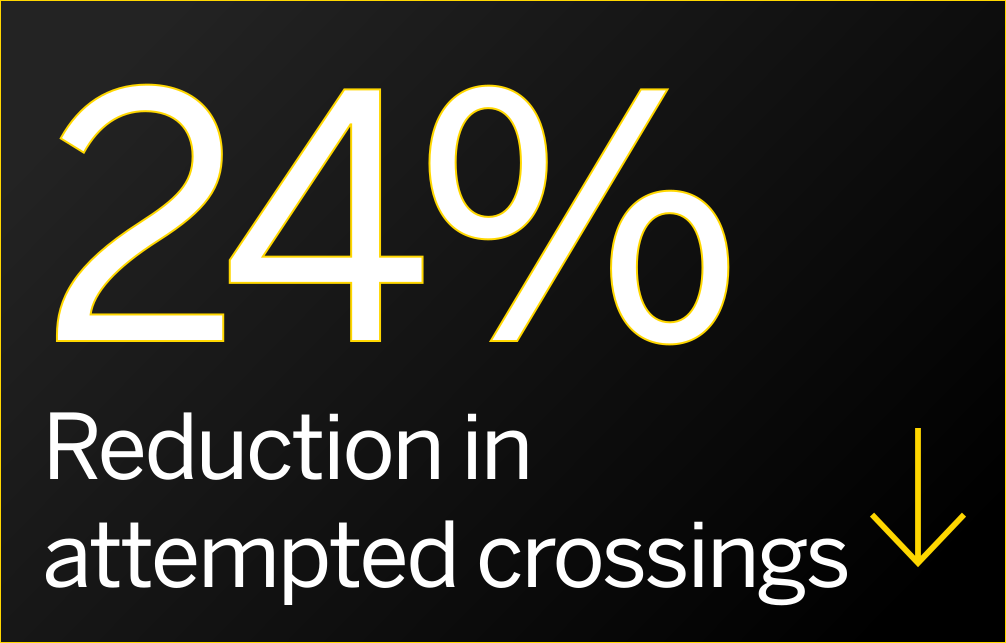
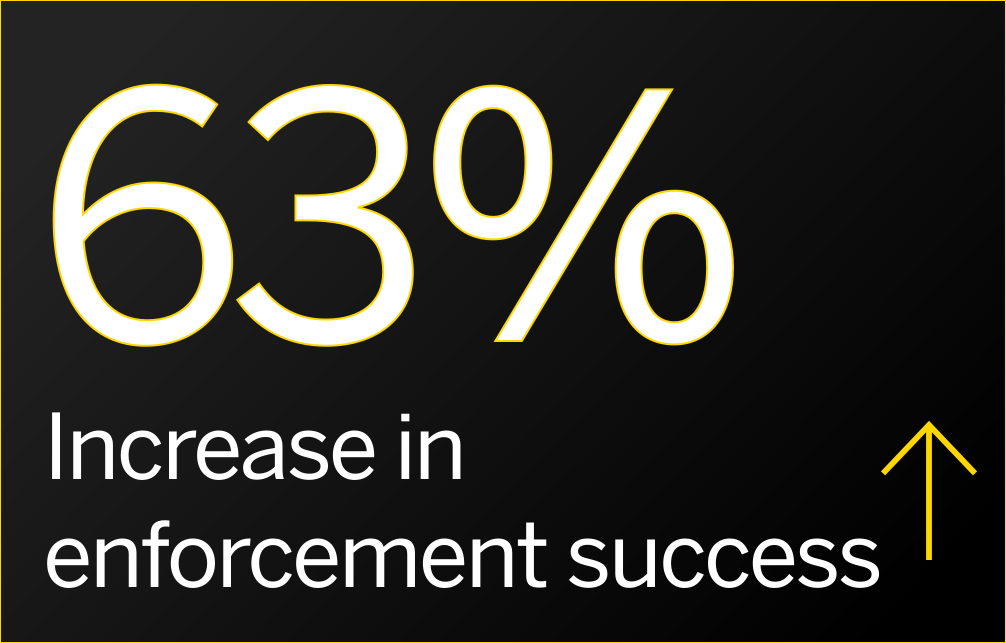
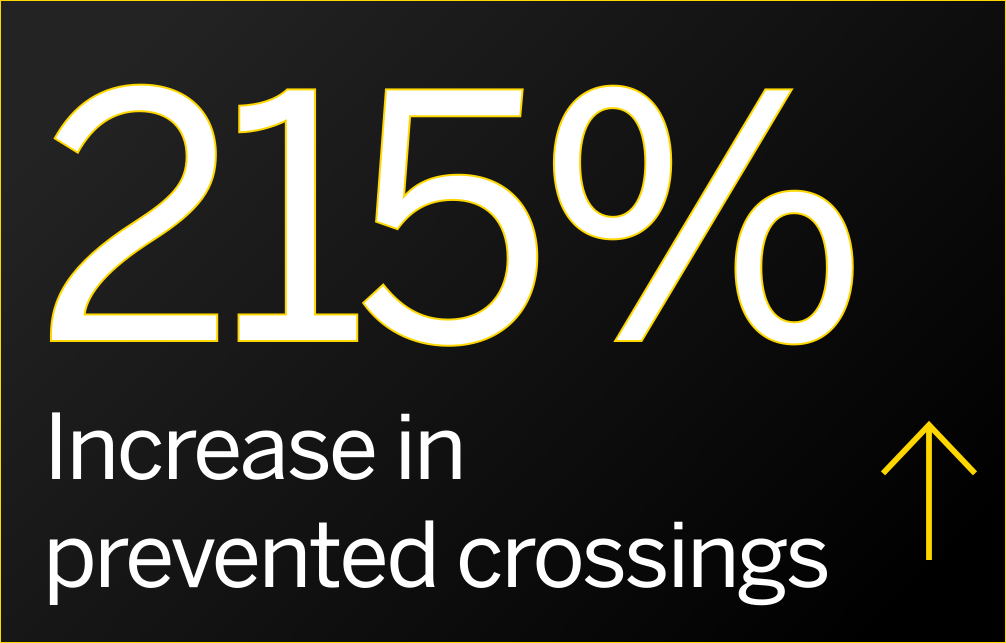
Since deployment, the BMA has reported a 24% reduction in attempted illegal border crossings alongside a 63% year-over-year improvement in enforcement success, demonstrating measurable gains in operational effectiveness. They have also seen a 215% increase in prevented illegal crossings since the initial rollout.
Strengthening accountability and integrity
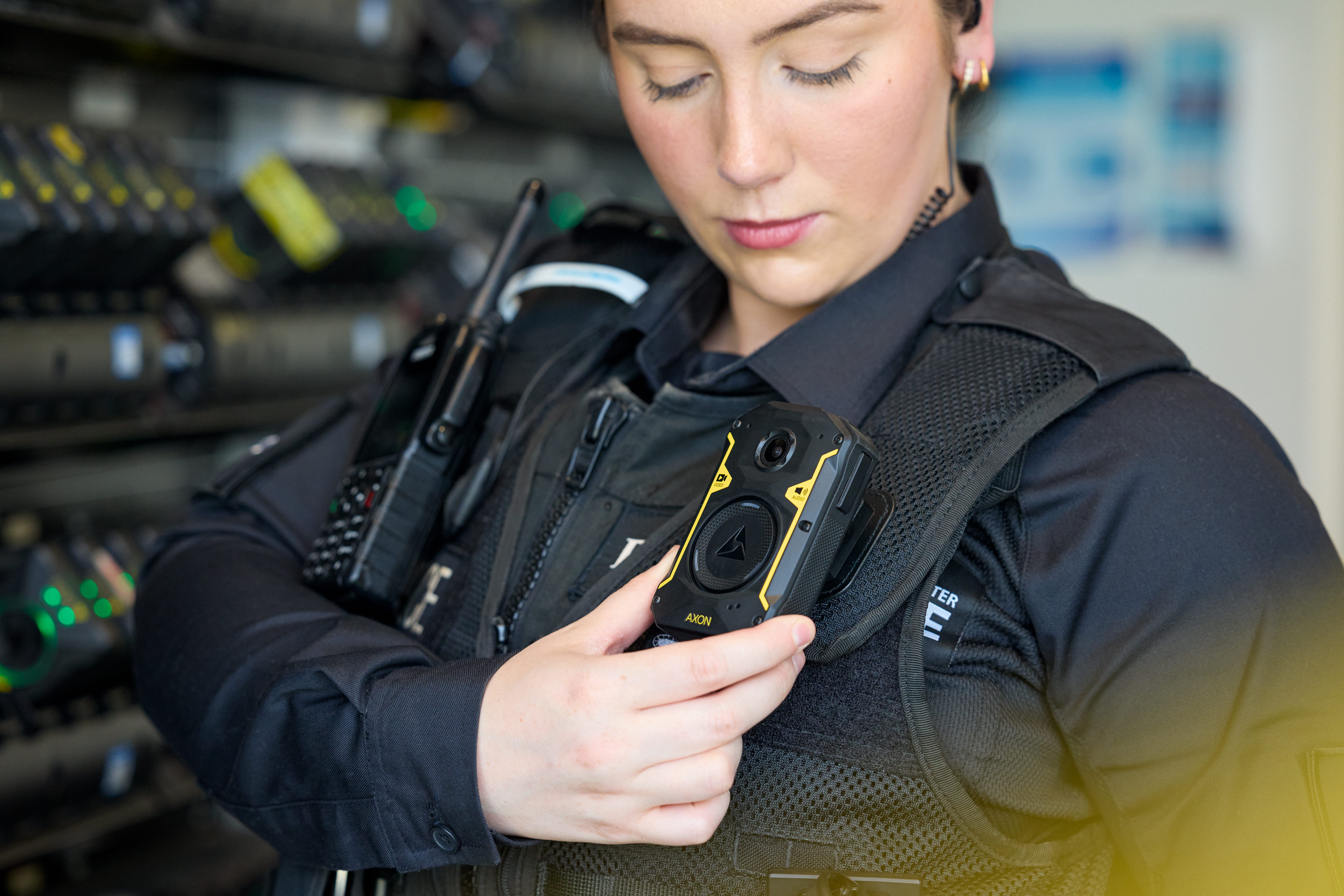
Beyond operational performance, the deployment has strengthened accountability throughout frontline operations. Body-worn cameras help create objective records of officer interactions while reducing opportunities for misconduct and protecting personnel from false allegations.
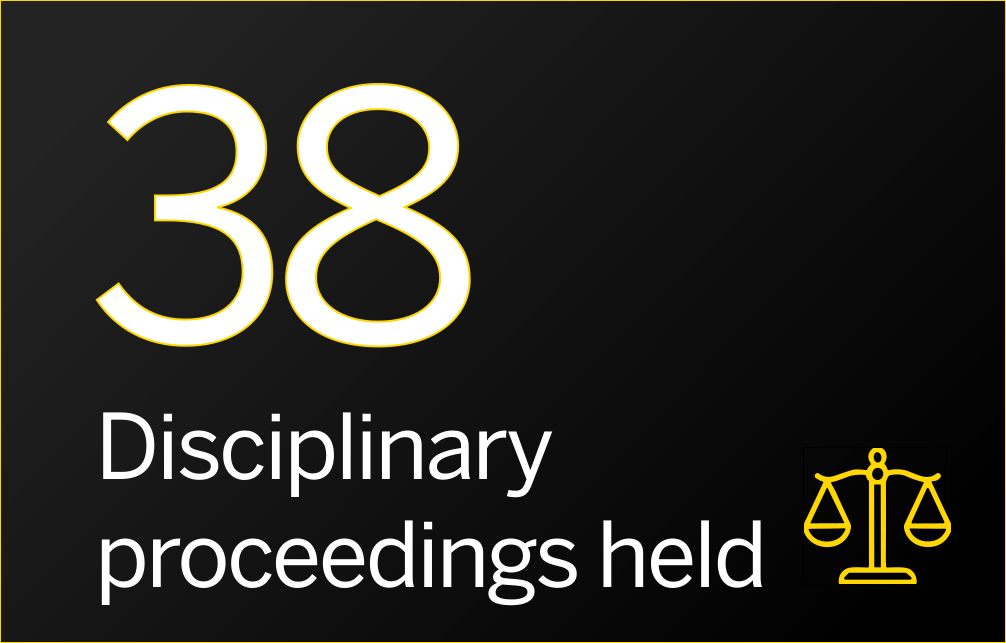
The agency reports that 50 corrupt or underperforming officers resigned or were dismissed. In addition, 38 officers entered disciplinary proceedings.
Commissioner Dr. Michael Masiapato noted that although the cameras have not directly resulted in arrests, they have become "a powerful psychological deterrent," discouraging corruption and misconduct before incidents occur.
Leadership also reported strong support from the Minister of Home Affairs and positive public feedback encouraging wider deployment across South Africa's borders.
Trusted digital evidence
By implementing Axon Evidence, the BMA strengthened digital evidence integrity through secure storage, streamlined evidence sharing and maintained chain-of-custody requirements for court-admissible material.
Beyond secure storage and chain of custody, Axon Evidence is helping officers work more efficiently. Full-shift recording capabilities ensure critical interactions are captured throughout an officer's tour of duty, while AI-powered transcription enables investigators to locate relevant footage quickly using keyword searches rather than manually reviewing hours of video.
Conclusion and looking ahead
The Border Management Authority's modernisation program demonstrates how integrated digital technologies can strengthen both operational performance and public accountability.
By deploying Axon Body-Worn Cameras, Axon Evidence and a connected operational ecosystem, the agency has improved enforcement outcomes, enhanced officer protection, strengthened digital evidence management and advanced its vision of intelligence-led border security.
Following the success of the initial deployment, the BMA has publicly committed to expanding body-worn cameras to all frontline officers as part of its long-term border modernisation strategy. The phased approach allows the agency to validate operational processes while establishing a scalable foundation for nationwide deployment.
As the BMA expands body-worn cameras across its frontline workforce and continues integrating AI-enabled technologies, it is building a modern border security model where transparency, trusted digital evidence and real-time operational intelligence work together to protect both officers and the public.