Learn more about Axon Assistant — how it works, AI safeguards, and impact on court proceedings
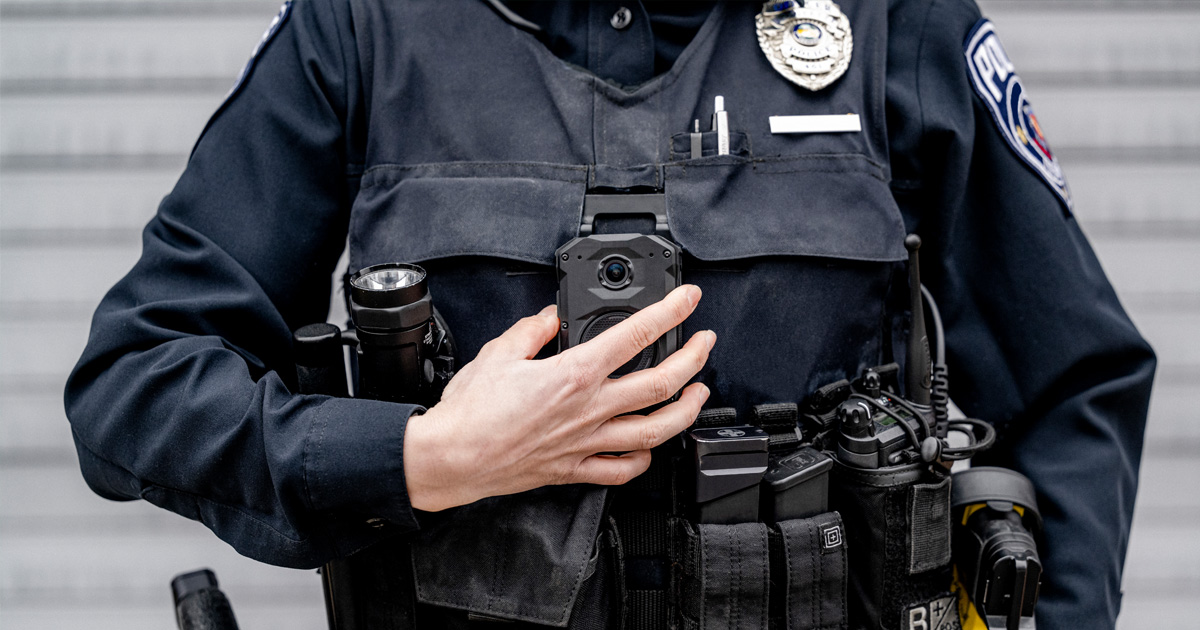
Axon Assistant is designed to enhance officer awareness and efficiency by bringing the power of AI directly to the Axon Body 4 camera. Whether it's translating conversations in real-time, answering field questions, or providing instant policy guidance, Axon Assistant is built to support officers—right when they need it most.
Below are answers to some of the most common questions about Axon Assistant and its growing list of powerful features, including Real-Time Translation.
Frequently Asked Questions
Axon Assistant
What is Axon Assistant?
Axon Assistant is an intuitive AI assistant available on Axon Body 4 that gives officers the critical info they need, when and where they need it, by placing the power of AI right on their vest. With a growing list of channels, Axon Assistant can provide information to officers and help them keep their eyes up and on the scene.
What Axon Assistant channels are available?
Real-Time Translation delivers two-way audible translations across 50+ languages in real-time through the Axon Body 4 camera. General Info provides answers to common questions officers may have in the field via voice query. Agency Info provides officers with real-time answers to queries, such as policy questions, based on approved agency data sources.
These channels are being released for general availability throughout 2025, with additional channels planned for the future. You can watch a demo of Axon Assistant in the Axon Week Keynote:
Real-Time Translation

Language barriers can slow down field interactions, delay resolution and impact trust community trust. Real-Time Translation — available via Axon Assistant — enables officers to engage in bi-directional conversations with individuals who speak a different language, all while recording the interaction for later review. Designed for quick, low-risk communication, this tool is not a replacement for human translators, but it does offer critical support during routine encounters.
This FAQ addresses key considerations around how the technology works, what safeguards are in place for the use of AI, and how Real-Time Translation impacts courtroom proceedings and case evidence.
What is Real-Time Translation?
Real-Time Translation is a skill of Axon Assistant. It brings push-to-talk voice translation directly to Axon Body 4, enabling officers to quickly communicate with speakers of over 50 languages through two-way audible translations in real-time.
What are the supported languages?
Users speaking different languages will be able to understand each others’ main intent in the vast majority of cases for the following 50+ languages:
Afrikaans, Arabic, Armenian, Azerbaijani, Belarusian, Bosnian, Bulgarian, Catalan, Chinese (Mandarin), Croatian, Czech, Danish, Dutch, English, Estonian, Finnish, French, Galician, German, Greek, Hebrew, Hindi, Hungarian, Icelandic, Indonesian, Italian, Japanese, Kannada, Kazakh, Korean, Latvian, Lithuanian, Macedonian, Malay, Marathi, Maori, Nepali, Norwegian, Persian, Polish, Portuguese, Romanian, Russian, Serbian, Slovak, Slovenian, Spanish, Swahili, Swedish, Tagalog, Tamil, Thai, Turkish, Ukrainian, Urdu, Vietnamese, Welsh
Are translated conversations recorded and stored?
Yes. When translation is activated by an officer, the Axon Body 4 begins recording audio and video. The entire interaction is uploaded to Axon Evidence and, where enabled, auto-transcribed, ensuring transparency and a secure chain of custody. Certified human translators can review the transcripts to verify accuracy.
Can translated audio be used in court?
While AI-generated translations offer valuable support for understanding and communication, they may not yet meet the formal evidentiary standards required for admissibility in most jurisdictions. However, the recordings themselves — paired with verified human translations — might be able to support case documentation.
How is language detection handled, and what if it’s wrong?
The system automatically detects and announces the foreign language. If it misidentifies the language, officers can manually set the correct one by resetting the conversation and changing the foreign language.
What safeguards are in place to protect civil liberties?
Real-Time Translation is only activated by the deliberate press of a configured button on the camera by the officer. All interactions are recorded and auditable, and officers are encouraged to inform individuals when the tool is being used, further establishing transparency. Agencies are advised of the tool’s intended use, such as for traffic stops, general community engagement and routine assistance, and to apply the use of Real-Time Translation in accordance with their internal policies and procedures.
Learn more about Real-Time Translation and the safeguards in place >
Is this the same as Auto-Translate?
No. Real-Time Translation is for live conversations in the field, while Auto-Translate is a feature of Unlimited Auto-Transcribe and refers to translating transcripts of existing audio evidence. Both are part of Axon’s AI suite, but they serve different purposes.
Conclusion
Axon Assistant empowers officers to gain information more quickly directly from their body-worn camera, reducing delays and getting to more efficient resolution. It can foster faster communication, enhance community trust, and create a transparent record of multilingual interactions. When used appropriately, it complements the justice system’s goals of fairness, access, and clarity.
For more resources or demo information, visit axon.com/ai.