Customer Story Hub
Dearborn Police Department uses real-time intelligence to create negative response time
:format(webp))
At a glance
Agency: Dearborn Police Department
Population served: About 110,000 residents; more than 300,000 daytime population
Sworn / professional staff: About 200 sworn officers
Coverage area: Approximately 26 square miles
Key solutions: Axon Body 4, Fleet 3, Interview room, Axon Evidence, Axon 911, Fusus, Skydio DFR, Lightpost, Outpost


About the Agency
Dearborn Police Department serves one of Michigan’s largest and most diverse cities. The city borders Detroit and hosts a concentration of major employers, hospitality sites, and public-facing destinations that generate steady activity throughout the day. That environment requires infrastructure that can handle traditional policing demands while also responding to major events, international visitors, and critical public safety concerns.
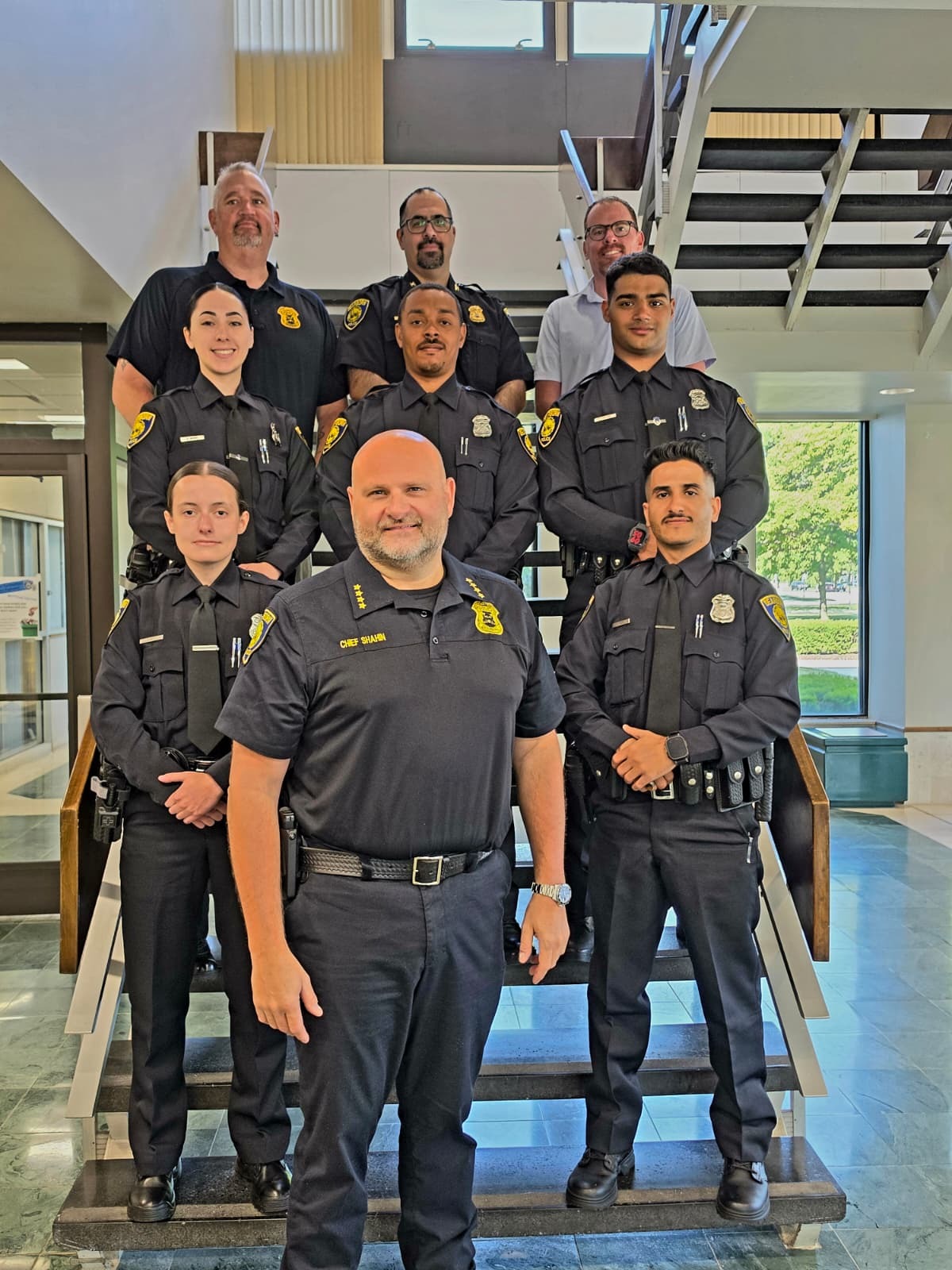
Commander Tim McHale oversees the department’s investigative division, which includes the detective bureau, special operations, crime lab, SWAT team, and the department’s drone and Real-Time Information Center (RTIC) functions.
The Challenge
Before expanding its connected ecosystem, Dearborn Police Department faced a familiar but costly problem: its technology lived in silos.
Body camera evidence, dispatch information, reports, video, and real-time intelligence were spread across different systems. Officers and investigators were spending valuable time searching for information instead of using it.
I think the biggest challenge was not a lack of technology, it was that our technology wasn’t connected.
Reliability was another major concern. Before the department moved to the Axon ecosystem, it was without body cameras for 10 days because an on-premises server failed. The vendor response was slow, and the outage had real consequences. Felony warrant requests were delayed because supporting body-worn and interview footage was not available.
The department also saw that a traditional RTIC model would not solve the problem alone. A large room with screens could create awareness, but Dearborn needed intelligence in the field as well as in the control room.
The Solution
Dearborn Police Department chose to build an ecosystem.
The foundation began with Axon Body 4 cameras, Fleet 3, and Axon Interview, which created more reliable capture and easier evidence handling. From there, the department added Fusus to connect additional information sources and distribute real-time intelligence beyond a central room.
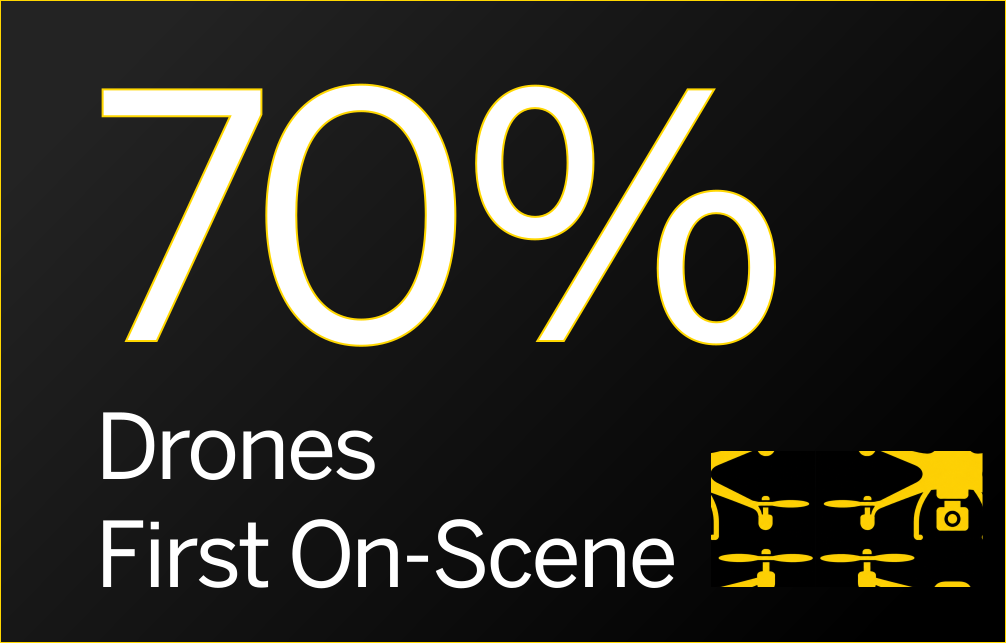
The department then expanded into Skydio DFR and connected drone operations to their RTIC platform. They also leveraged the Fusus 911 capability to bring live 911 call data via Prepared into their RTIC as calls unfold. This allowed drone pilots and officers to hear 911 calls in real time and respond before the traditional dispatch cycle finishes.
Rather than treating the RTIC as a room, it treated every police car as an information center itself. Officers in patrol cars access Fusus on Mobile Data Computers (MDCs), while plainclothes units and command staff use mobile access when appropriate.
We realized the true value of the real-time information center is in the police car
The department also broadened its network with Axon Lightpost and Outpost, as well as third-party integrations like their existing ALPR infrastructure, fire hydrant locations, and school camera integrations. The more data sources that can be integrated into a single, connected platform, the better.
Results
Negative Response Time
Dearborn Police Department began seeing calls unfold differently once 911 intelligence, Fusus, and DFR were connected.
Commander McHale explained the traditional delay clearly: the 911 call must be taken, typed, relayed, and broadcast before an officer can respond. In a best-case scenario, that process costs 2 to 3 minutes. In Dearborn’s connected model, drone pilots and officers are hearing the call as it happens and acting on it sooner.
When we arrive on scene before the run is even dispatched, we’ve come to call that a negative response time.
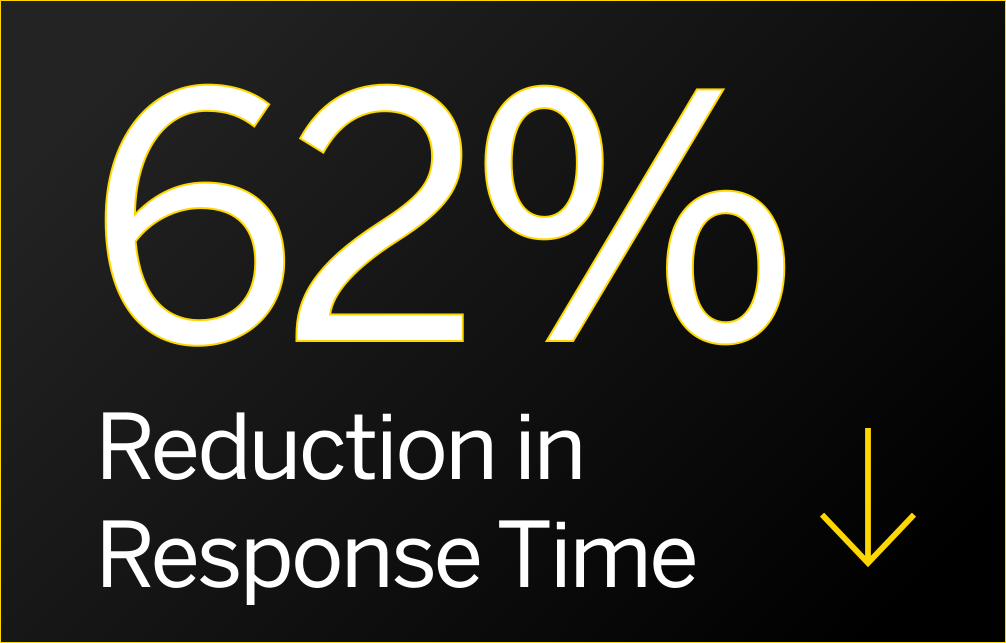
That shift has produced a daily operational effect, facilitating faster communication and quicker action on behalf of officers. This negative response time frequently leads to better outcomes for the Dearborn community. For instance, this new approach has helped Dearborn reduce their average overall response time by 62% for priority runs.
Improved case closure and evidence management
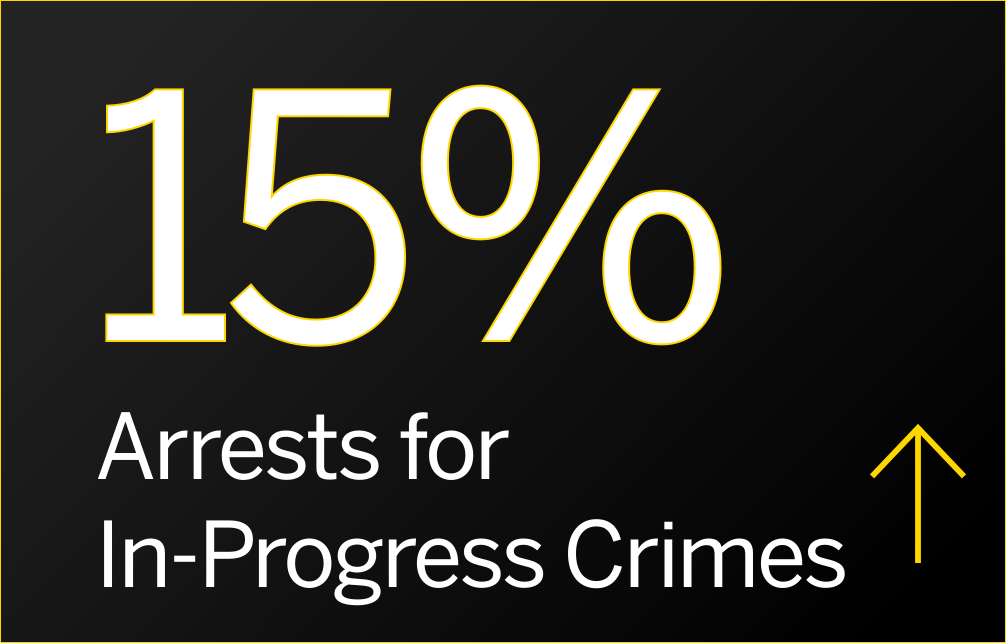
Having a negative response time has improved the department’s arrest rate and case closure rate for things like retail theft, aggravated assault, home invasions, and more. When a drone is able to arrive on-scene while the suspect is still there, the drone can follow the suspect until an officer arrives and makes the arrest. When a suspect is stopped shortly after the offense, the evidence is often still with the suspect. That helps the department avoid longer investigations, repeated search warrants, and unnecessary case drift. To quantify the impact, arrests for in-progress crimes are up 15%.
The department’s evidence workflow became significantly more efficient once camera systems and drone footage were flowing into Axon Evidence. Instead of manually moving drone memory cards, uploading footage by hand, and assembling evidence from multiple sources, the department can now route body-worn camera, fleet camera, interview room, and drone footage into one case environment.
That streamlining also helps the prosecutor’s office. Dearborn shares case evidence through Axon Evidence, which reduces time spent compiling and transferring materials after the fact.
More time for Officers
Dearborn operates 6 drone docks across 3 hives and flies about 900 missions per month. Those missions cover roughly 90% to 95% of the city.
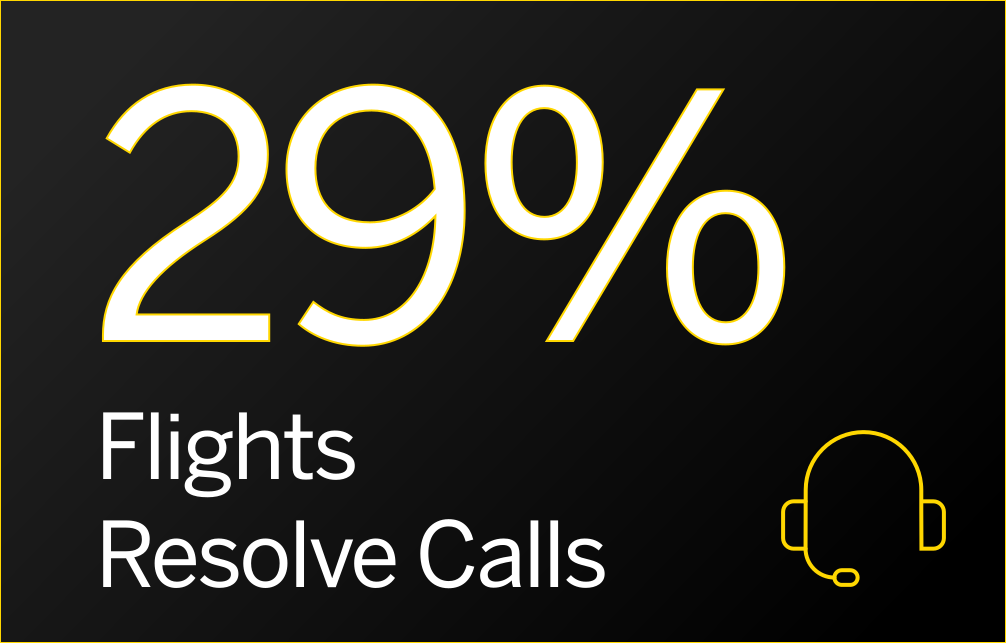
The department reports that 29% of drone flights resolve calls without needing to send a patrol officer. Many of those incidents are low-priority calls such as park loitering complaints, drag racing checks, debris in the roadway, or water main breaks. That means officers can remain available for higher-priority emergencies and calls.
The ecosystem also helped reduce friction, eliminating time lost searching for disconnected information, making it easier for officers to focus on action.
The technology supports both effectiveness and job satisfaction. Officers spend less time on low-value calls and more time on meaningful policing work. The result is a work environment that gives officers better tools and better outcomes.
Safety and situational awareness
The connected model improves officer safety by giving responders more information before they arrive on scene. Thanks to Fusus 911, officers can hear emergency calls, see live video, review maps, and request drone support in real time from their RTIC. That early awareness helps officers understand whether a scene involves fleeing suspects, hazardous conditions, or other risks.
The department has also seen the drone program support safety through greater situational awareness. When information about a scene is limited, the drone can arrive first and help officers decide how to approach.
Dearborn Police Department’s experience suggests that officers are not overwhelmed by the added information; they are energized by it. Commander McHale said officers quickly embraced the tools, and in some cases even asked where the drone feed is when it is not available.
Finding Missing People
Technology has transformed the search process for missing persons and improved outcomes for residents.
In one case, a special-needs individual was lost in a densely wooded area near the University of Michigan-Dearborn campus. What could have taken hours and multiple officers was resolved in 10 minutes using the drone’s thermal camera.
Conclusion and Looking Ahead
Dearborn Police Department sees the future as one where technology continues to surface better information earlier, while humans remain responsible for decisions. The department expects AI to keep improving the speed of summarization, evidence handling, and operational awareness, but it does not see AI replacing officers.
We view AI as an assistant and not a decision maker.
The broader strategy is already clear: connect the tools, move information to the field, reduce administrative burden, and keep improving outcomes for the community. The value does not come from a single product, or even a collection of disconnected products. The value comes from the way products work together.